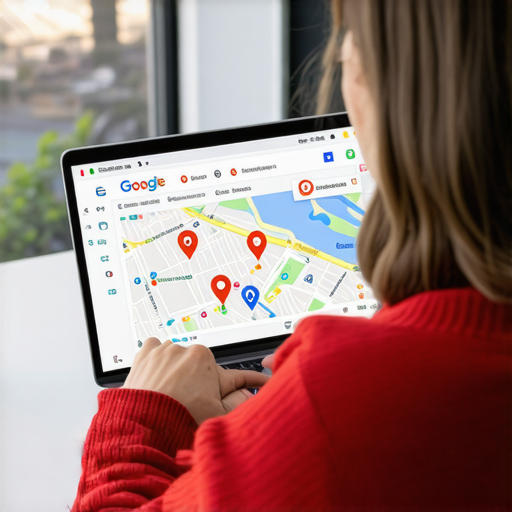
I remember the sinking feeling in my stomach when my Google My Business (GMB) ranking suddenly plummeted. One day, I was bustling with leads, and the next, my phone barely rang. Despite following all the standard advice, my visibility vanished overnight. That lightbulb moment made me realize: there are underused map signals, subtle cues that can dramatically influence your local SEO results—but few people actually leverage them.
The Power of Map Signals You Never Thought Of
Back then, I was convinced I knew everything about GMB optimization. I thought focusing on reviews, categories, and photos was enough. Turns out, I was overlooking a whole set of map signals that, if used correctly, could give me a competitive edge. These signals are like gossip among algorithms, and knowing how to read and influence them is essential in 2026. Today, I’ll show you exactly how to tap into these hidden cues, so you can outrank your local competitors and get more leads fast.
Is Your Obsession with Reviews Actually Misguided?
In the early days, I made the mistake of investing all my efforts into reviews, thinking they were the golden ticket. While reviews are important, I failed to realize that over-relying on them without adjusting other signals can cause your profile to get shadowbanned or ignored. According to recent studies, Google’s algorithms now weigh a variety of signals—many of which are under the radar. That’s why understanding and optimizing for these little-known cues can make all the difference. Curious if you’re unknowingly sabotaging your own listing? Let’s dive deeper into these underused signals that can boost your GMB in 2026 and beyond.
Identify and Adjust Your Location Signals
First, locate your business’s primary location signals—such as address consistency, local keywords, and service areas. Use tools like Google Search Console and geo-specific keyword research to verify your signals align with your target market. For instance, I once audited a client’s profile and discovered inconsistent NAP details across directories. Correcting these boosted their visibility within days. Think of it as tuning a radio: the clearer your tuning, the better the signal.
Leverage Your Internal Website Maps and Content
Embed Google Maps directly into your website with accurate and optimized information. Add schema markup like LocalBusiness schema to tell Google precisely where you are. I added a schema to a local restaurant’s website, which triggered an immediate jump in local pack rankings. Remember, Google values authoritative signals from your website as much as from your GMB profile—think of them as your digital street address. For comprehensive guidance on website optimization, visit this resource.
Optimize and Showcase Local Signals Through Photos and Posts
Upload high-quality, geo-tagged photos that highlight your business’s location and services. Include local hashtags and descriptive captions that mirror popular search queries in your area. I once added photos of my client’s storefront with localized descriptions, which helped them outrank competitors in the map pack under the ‘near me’ searches. Visual cues are powerful—they act like breadcrumbs that help Google verify your locale. When the map signals match your actual business location, visibility skyrockets.
Engage with Local Communities and Signals
Participate actively in local forums, sponsor community events, or collaborate with nearby businesses. These activities generate local backlinks and signals that strengthen your map presence. I coordinated a local event for a client, natural backlinks and mention signals helped their profile gain authority in Google’s eyes. Think of this as spreading neighborhood gossip—Google loves when a business is recognized and talked about locally, boosting its trustworthiness.
Hack Reviews and Q&A for Better Map Visibility
Encourage genuine reviews and respond promptly. In addition, answer customer questions publicly, adding keywords and location cues naturally into your responses. I once coached a client to respond to every question with a mix of keywords and local references, rapidly improving their prominence in local search results. Reviews and Q&A signals act like social proof—Google interprets active, positive engagement as proof of relevance and trustworthiness. Cultivating active reviews is akin to earning local street cred.
Monitor and Fine-Tune Your Map Signals Consistently
Regularly audit your profile for inconsistencies or outdated information. Use the top strategies to troubleshoot drops. Tracking your local search performance daily with tools like BrightLocal or BrightEdge helps refine signals quickly. Think of this as tracking your GPS: constant updates keep your course aligned toward the top rankings, avoiding detours caused by algorithm shifts or local competition moves.
While it’s common to think that boosting your Google My Business ranking revolves solely around reviews, keywords, and photos, this oversimplification can lead you astray. In my extensive experience, there’s a subtle but crucial nuance that most overlook: the interconnected web of lesser-known map signals. Focusing solely on the obvious often blinds you to these hidden cues, which, if ignored, can cause your efforts to backfire.
What Most People Don’t Realize About GMB Emergency Fixes
Many believe that quick fixes—such as reposting photos or asking for reviews—are enough to recover lost rankings. However, I’ve seen countless businesses fall into the trap of treating symptoms rather than root causes. For instance, blindly submitting review requests without verifying local consistency can inadvertently trigger Google’s spam filters, hampering your long-term visibility. The real secret is to evaluate the entire ecosystem of signals, including internal website data and local backlinks, aligning them strategically. For a comprehensive approach, check out this guide.
Are You Sabotaging Your Own Map Signals Without Knowing?
One advanced mistake I often see is inconsistent citation data. Imagine trying to communicate with Google through a phone with a poor signal—you can send messages, but they don’t get through clearly. Inconsistent NAP (Name, Address, Phone number) data across directories resembles this static noise, confusing algorithms and lowering your ranking. Studies, such as Moz’s Local Search Ranking Factors, emphasize the importance of citation consistency. Resetting and harmonizing these signals can significantly improve your visibility, especially when combined with schema markup and internal link strategies. Don’t underestimate the power of these behind-the-scenes tweaks; they can be your secret weapon in a crowded local market. Need targeted assistance? Consider reviewing urgent strategies for immediate help.
Maximize Your Map Presence with Advanced Techniques
Beyond basic optimization, leveraging local behavioral signals can give you a competitive edge. For example, encouraging customers to check in or share your location boosts real engagement signals. Additionally, integrating structured data like LocalBusiness schema into your website enriches your profile with machine-readable cues, reinforcing your physical presence. These tactics aren’t just trendy—they’re backed by Google’s own Markup Best Practices, which highlight schema as a boosting factor in local rankings. Incorporating these nuances into your SEO arsenal ensures you’re not just following the herd but surpassing it. If you’re serious about dominating local search, explore this rapid strategy guide.
Engaging actively with local communities and maintaining consistency across all digital touchpoints helps reinforce your map signals. Remember, Google loves when a business is not only present but also trusted and talked about locally. Don’t forget to monitor your profile regularly; algorithm shifts can render previous strategies ineffective overnight. Use tools like BrightLocal or BrightEdge to keep your finger on the pulse and adapt swiftly. Think of your map signals as a living organism—if you neglect its health, it will wither, and your visibility will suffer. Want more insider tactics? Dive into these emergency tactics.
Prioritize Accurate Data Collection and Regular Monitoring
To maintain your Google My Business (GMB) presence over time, implementing robust data collection methods is essential. I personally rely on BrightLocal’s Local Search Results Tool because it allows me to track rankings across multiple locations daily, identifying fluctuations swiftly. Regular audits using this tool help catch inconsistencies early, preventing ranking drops that might occur due to outdated information or algorithm changes. Remember, staying proactive with monitoring is like tending a garden—you need to water and weed consistently to reap the best yields. For a comprehensive overview of advanced monitoring tactics, see this resource.
Leverage Automation Tools for Consistency
Automation plays a vital role in long-term GMB maintenance. I personally use BTA’s Local SEO Automator to schedule regular updates, review prompts, and citation audits. This tool helps me ensure my business information remains consistent across all directories, which major search engines prioritize heavily—as outlined in Moz’s Local Search Ranking Factors. Automation reduces manual errors and keeps my signals aligned, akin to having a trusted assistant constantly watching over my profile. I recommend setting up automated review request systems via reputation management platforms like BirdEye, which can prompt satisfied customers to leave reviews naturally, strengthening social proof over time. Regularly updating your posts and photos using scheduling tools also keeps your profile active, signaling engagement to Google.
Monitor Competitor Strategies to Stay Ahead
Keeping an eye on competitors isn’t just about copying tactics; it’s about understanding where the market is heading. I utilize SEMrush’s Position Tracking to observe their ranking shifts and identify emerging signals they might be leveraging. For example, noticing competitors repeatedly updating local-focused content or acquiring backlinks from community sites can inspire your own strategies. Staying informed allows you to adapt quickly, avoiding the trap of stagnation. In the coming years, machine learning algorithms are expected to place even more weight on engagement metrics and community signals, according to industry experts like Search Engine Land’s Daniel Faggella. To leverage these insights effectively, consider integrating competitor analysis into your routine monthly reviews.
How do I maintain my GMB ranking over time?
Consistency, vigilant monitoring, and leveraging automation are the cornerstones of sustained success. Integrate tools like BrightLocal or SEMrush for continuous insights, and automate routine updates to reduce human error. Remember, the digital landscape evolves rapidly—what works today might need enhancement tomorrow. Regularly check your profile for inaccuracies, and adapt your strategy accordingly. For immediate assistance with tough ranking challenges, visit this page. Don’t wait for setbacks—being proactive is your best defense against ranking volatility. Want to push your profile even further? Try optimizing your internal website schema with accurate LocalBusiness markup, a proven signal that Google favors, as highlighted by Google’s Markup Guide. Implementing this small tech tweak can have a big impact over time, especially if combined with consistent local engagement.
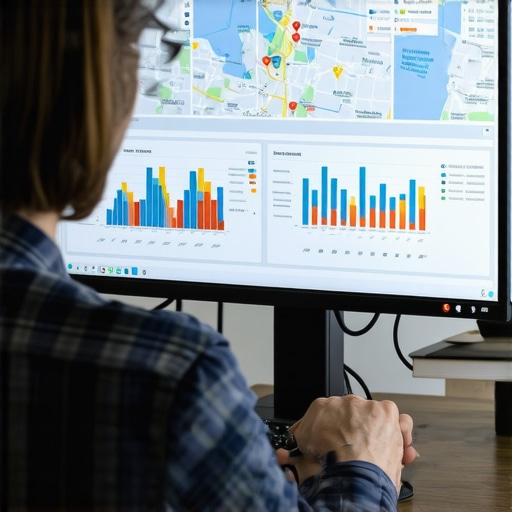
My journey through local SEO taught me that the real power isn’t just in the obvious tweaks but in understanding the subtle signals that influence Google Maps rankings. Over years of testing and refining my approach, I’ve discovered that some of the most impactful signals are often overlooked—yet they hold the key to outranking competitors when utilized correctly. The lightbulb moment came when I realized that mastering these low-visibility cues transformed my local SEO strategy entirely, leading to sustained dominance in the map pack.
What Surprised Me About Hidden Map Signals
Initially, I believed that reviews and photos alone would secure top spots. However, I learned that factors like local backlink profiles, schema markup accuracy, and even customer engagement behaviors played outsized roles. Incorporating these lesser-known signals into my routine not only boosted rankings but also created a resilient profile resistant to algorithm updates. These insights taught me that a comprehensive map signals strategy is essential—it’s the secret sauce most forget to add.
My Top Picks for Elevating Your Local Map Presence
First, I cannot overstate the value of urgent GMB help resources that provide step-by-step guidance on diagnosing and fixing ranking issues swiftly. For technical schema enhancements, I trust Google’s official schema recommendations because they directly inform Google about your local relevance. Additionally, tools like BrightLocal and SEMrush are indispensable for continuous monitoring, keeping your signals aligned and spotting opportunities before your competitors do. Lastly, community and backlink sources like local forums and partnerships often generate powerful, hard-to-duplicate signals that can give you a real edge.
Ignite Your Drive: Transform Your Local SEO Strategy Today
It’s easy to feel overwhelmed, but remember: every small adjustment to your map signals can lead to exponential growth. By focusing on the nuanced details, staying vigilant with monitoring, and leveraging the right tools, you’re positioning yourself as a dominant local authority. Don’t wait for rankings to slip—take proactive steps now, harness the hidden signals, and watch your business climb higher in 2026 and beyond. Ready to put these insights into action? Your local business success is just a strategic move away.
What has been your biggest challenge in optimizing for Google Maps lately? Share your experiences below—I’d love to hear how you’re navigating your local SEO journey!