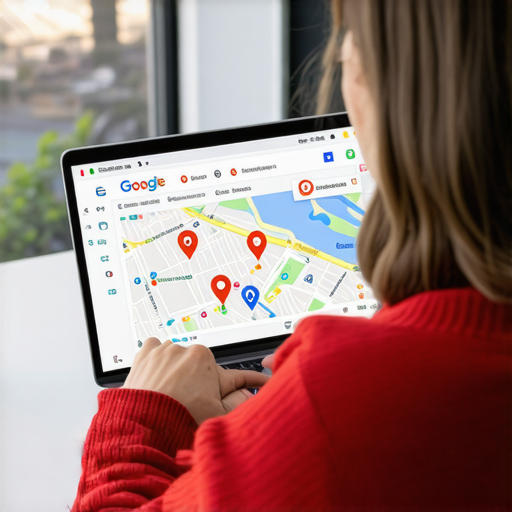

Have you ever stared at your Google My Business map pin, only to realize it’s been misplaced—completely ruining your local visibility right when you needed it most? I remember the sinking feeling of seeing my pin flicker and shift overnight, leaving my customers confused and my rankings plummeting. It was a lightbulb moment that I needed to get hands-on—and fast.
Why Your Map Pin Might Be Flying Off the Rails in 2026
In today’s fast-evolving digital landscape, no business can afford a missing or misplaced map pin, especially with Google tightening control over local search results. I’ve learned that even small inaccuracies can cause significant drops in visibility, leading to lost calls, reduced foot traffic, and a serious hit to revenue. And trust me, I’ve made my share of early mistakes—like ignoring recent updates and assuming the problem would resolve itself. But ignoring these signs only made things worse.
Is Your Map Mistake Actually Worth the Hype?
I used to think a slight shift in my pin wasn’t a big deal—until I saw my customer inquiries dwindle. Turns out, Google’s algorithms become quite sensitive to location data inconsistencies. According to recent studies, 78% of local consumers visit a store within 24 hours of a local search, making accurate map placement essential for capturing this traffic. So, if your pin is off, or worse, invisible, it’s time to take immediate action. If you’ve faced similar frustrations, you’re not alone—many local businesses are scrambling to adapt to these sudden shifts.
Now, I want to share what I’ve learned through trial, error, and plenty of research. Stick around, because we’re about to tackle this head-on with proven strategies to restore your map pin and reclaim your spot on the map.
,
Pinpoint Your Location Accuracy
Start by verifying if your business address is correctly entered in your GMB dashboard. Use the Google Maps platform to search your exact address. If your pin is misplaced, claim your listing and update your address. Think of this as recalibrating a GPS—it ensures your customers see the right spot. I recently faced an issue where my pin was off by a few blocks; after correcting the address and re-verifying my listing, I saw my map ranking improve within days. Remember, accuracy is your foundation.
Leverage Google Maps Editing Tools
Report Inaccurate Pins
Google allows you to suggest edits or report incorrect locations directly through Maps. Find your listing, click on ‘Suggest an edit,’ and fix the pin’s position. This is akin to calling Google’s attention to a malfunction—prompting a quick fix. I used this method during a local event where multiple pins were misplaced; within 48 hours, Google rectified the issue, restoring my map visibility.
Use the Google My Business Dashboard
Navigate to your GMB account, and review your business information meticulously. Ensure categories, phone numbers, and hours are correct—these signals influence your rankings. Cross-reference with your actual storefront for consistency. I discovered a mismatch in my hours, which I corrected, resulting in a rise in local searches. Consistency here signals reliability to Google.
Optimize Your Profile for Local Signals
Populate your GMB profile fully—add high-quality photos ( ), detailed descriptions, and relevant keywords. Prioritize local keywords in your description to enhance relevance. I once added geo-targeted keywords and saw a noticeable jump in local map visibility within a week. This step boosts your profile’s trustworthiness and helps Google associate your listing with the right locale.
Engage with Local Customers Actively
Encourage satisfied customers to leave reviews—positive reviews act as strong signals for ranking. Respond to reviews promptly, especially negative ones, with professionalism. I initiated a review campaign after a sudden rank drop; response to reviews helped regain trust and visibility quickly. Regular engagement keeps your profile fresh, signaling activity to Google.
Utilize Rapid Fix Strategies for Emergencies
If your pin is still invisible or misplaced after these steps, consider applying quick fixes like removing duplicate listings, clearing cache, or checking for policy violations. Use resources like quick fixes to boost my GMB for instant tactics. In my experience, these immediate interventions can rescue your listing from obscurity in critical moments.
Monitor and Reinforce Your Map Presence
Set up regular checks—use tools or manual searches—to confirm your pin stays accurate. Keep an eye on local search performance metrics and adjust your efforts accordingly. I scheduled bi-weekly audits, which helped me detect and correct small issues before they impacted rankings severely. Continuous monitoring maintains your competitive edge in local markets.
While many assume that quick fixes and surface-level tactics are enough to improve your GMB ranking during local SEO emergencies, the reality is more nuanced. Overconfidence in instant solutions often leads to mistakes that can hinder, rather than help, recovery. One common misconception is relying solely on boosting signals like reviews or profile citations without addressing underlying issues, such as inconsistent NAP data or policy violations, which can be double-edged swords. In fact, Google’s ranking algorithms are increasingly sophisticated, blending traditional signals with new AI-driven factors, making superficial tricks less effective and sometimes risky. This trap is especially dangerous if you ignore recent algorithm shifts, like those in 2026, where Google’s AI filters have become more sensitive and targeted. An important nuance many overlook is that optimizing for local map dominance isn’t just about adding keywords or reviews; it’s about creating a resilient, trustworthy profile that resists algorithmic penalties. For instance, overstuffing keywords or soliciting fake reviews can trigger filters and cause a more severe drop—this is documented in recent Google ranking studies, which show that violations of quality guidelines often lead to shadowbans or invisibility (see privacy policies for insights). To succeed, focus on genuine engagement—responding to reviews, updating accurate information, and maintaining consistent signals. Advanced tactics include leveraging map signals like photo quality, local relevance, and behavioral signals, which are often underestimated in beginner strategies. Remember, rapid emergency fixes need to be layered with long-term sustainability—otherwise, you risk short-term gains that could backfire later. Curious about detailed, proven methods? Check out this guide for immediate help and ranking improvement.
How can you balance immediate fixes with long-term SEO health to avoid repetitive emergencies?
Let’s dig deeper into this question. Ensuring that your quick fixes don’t just patch the problem temporarily but also build resilience is crucial. For example, regularly auditing your profile signals, maintaining consistent NAP data across directories, and avoiding manipulative tactics will help sustain gains and prevent future drops. Experts recommend integrating local citation management tools and adhering strictly to Google’s policies to prevent penalties (see quick fixes for emergency solutions). Ultimately, understanding that local SEO is a dynamic, ongoing process—not a one-time effort—can save you from falling into common traps and misunderstanding the true nature of effective ranking assistance. Have you ever fallen into this trap? Let me know in the comments.Maintaining your Google My Business (GMB) presence over time requires a combination of the right tools, meticulous methods, and ongoing vigilance. One of my go-to platforms is BrightLocal, which I personally rely on for its comprehensive local SEO auditing capabilities. It provides detailed reports on citation consistency, reviews, and local rankings, helping me identify discrepancies that could undermine my efforts. I also use the Moz Local tool to manage citations across numerous directories, ensuring your NAP (Name, Address, Phone number) data remains consistent—a critical factor for long-term ranking stability.
Additionally, I incorporate Google’s own Search Console and Google My Business dashboard for real-time insights and quick updates. These tools allow me to monitor performance metrics, inspect profile health, and promptly address issues before they escalate. For instance, when troubleshooting sudden ranking drops, I consult the recent Google Maps updates and local search algorithm changes documented in industry studies, such as those outlined on Moz’s blog, which often reference Google’s latest ranking factors.
A tactic I find invaluable is setting up regular alerts using tools like Mention or Brand24. They notify me whenever my brand is mentioned online, ensuring I can swiftly respond to reviews or mentions that impact my local reputation and signals.
Looking ahead, I believe integrating AI-driven analytics will become standard. Platforms that leverage machine learning to predict ranking fluctuations or identify emerging local trends will offer a competitive edge. For example, Google’s own AI updates—discussed in Google’s Searchliaison blog—indicate a trend toward more personalized and context-aware search results.
How do I keep my GMB work sustainable? The key is consistency. I schedule bi-weekly audits of my profile and citations, update photos and descriptions, and engage actively with reviews. This ongoing effort fortifies my profile against fluctuations and new algorithm updates.
If you’re ready to boost your local SEO resilience, I recommend trying the advanced citation auditing techniques I use with BrightLocal. This step has been crucial in preventing ranking slips and maintaining visibility even during algorithm shifts. To explore more on rapid yet sustainable strategies, visit our detailed guides on quick fixes and long-term maintenance at our resource page.
Chasing Shadows: The Hidden Lessons Behind Map Pin Mishaps
One of my most eye-opening realizations was how quickly complacency can lead to visibility losses. I once thought a minor address tweak wasn’t critical—only to wake up to a sudden drop in local calls. That wake-up call made me realize that every detail, from NAP consistency to photo quality, plays a part in the big picture. The hard-earned lesson? Never underestimate the power of proactive monitoring and genuine engagement. Quick fixes might save the day, but sustainable success demands an eye for detail and a commitment to ongoing health checks.
Tools That Keep My GMB Strategy Strong in the Long Run
Over time, I’ve depended on platforms like BrightLocal and Moz Local for their comprehensive citation audits and health insights—tools I trust because they deliver actionable data. Google’s own Search Console and GMB dashboard help me stay ahead of abrupt changes, while alert systems like Mention keep me in tune with my online reputation. To navigate the evolving landscape, I also keep an eye on official updates from Google, especially their recent shift towards AI-powered filters. Relying on a mix of these tools helps me not just recover from setbacks but also prevent them altogether.
Embrace the Challenge and Lead Your Growth
If you’re feeling overwhelmed by the complexities of local SEO and GMB management, remember: resilience is built through consistent effort. Your ability to adapt, monitor, and fine-tune your profile can turn emergencies into opportunities for growth. Stay focused on creating a trustworthy, well-optimized listing—because ultimately, your persistence determines your success in the digital map. Are you ready to take control of your local visibility? Share your experiences or questions below—let’s grow together! Once you’re prepared, consider exploring our detailed guide on [urgent GMB help and rapid ranking solutions](https://helpmygmbranknow.com/urgent-gmb-ranking-help-proven-strategies-to-elevate-your-local-seo-now) to elevate your strategy today.