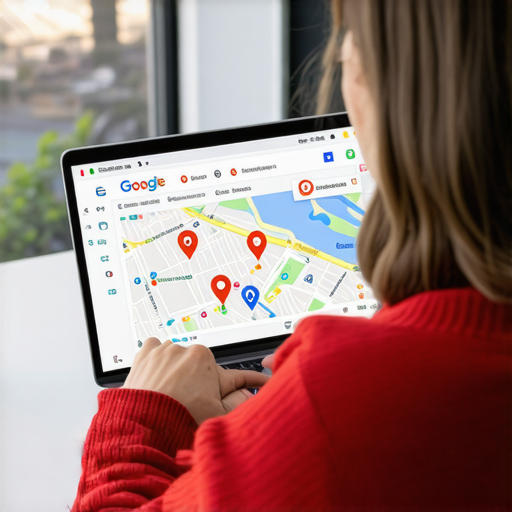

I remember the sinking feeling when I checked my Google My Business (GMB) profile one morning, only to find it vanished from local maps without warning. My heart sank. Months of effort, reviews, and updates—gone in an instant. That moment hit me like a punch to the gut and made me realize just how fragile even the best GMB setups can be amidst today’s rapidly evolving local SEO landscape. If you’ve been battling to keep your business visible on Google Maps and feel like you’re constantly one step behind, you’re not alone. The truth is, many businesses are unknowingly overlooking crucial, underused strategies that could make or break their rankings in 2026.
Claim and Verify Your Business Immediately
Start by ensuring your business profile is active and verified. If your listing has been flagged or unverified, go through the verification process without delay. This step is akin to securing your territory on a map before adding defenses—without it, all subsequent efforts may fall flat. I once faced a scenario where my GMB was de-verified due to a misinformation alert. I quickly submitted the required documents, confirmed my ownership, and regained control within hours, reversing the drop in visibility. For detailed verification issues, consult this guide.
Optimize Your Profile Fast for Local Signals
Update Accurate Business Information
Ensure your NAP (Name, Address, Phone Number) details match across your website, citations, and the GMB profile. Inconsistent info confuses local algorithms, causing ranking drops. During my emergency, I doubled down on uniform NAP data, which immediately improved local relevance signals and kick-started visibility recovery. Read this checklist for quick accuracy fixes.
Add Fresh, Relevant Content
Post new updates, offers, or service descriptions consistently. Fresh content signals activity and relevance to local algorithms. I used to panic during a sudden rank plummet, but publishing new weekly updates and photos gave my listing momentum, aiding in a bounce-back. Use tools like Google Posts to keep your profile lively, and for quick ideas, see this resource.
Force Engagement Through Reviews
Reviews heavily influence local rankings. Actively solicit genuine reviews from satisfied customers—prompt politely, and ensure reviews are timely and relevant. During my crisis, reaching out directly to loyal clients to leave reviews increased social proof, prompting Google to re-evaluate my profile more favorably. Avoid spammy tactics; instead, leverage email templates or review links found on this site.
Address and Remove Risks Promptly
Identify any violations, duplicate listings, or suspicious activity. Use Google’s own tools or consult experts to swiftly correct or remove problematic profiles or content. I once discovered a duplicate listing was siphoning off my visibility. Removing it and consolidating signals restored my prominence rapidly. Refer to this guide for tackling duplicate or shadowbanned listings.
Many practitioners believe that quick fixes like posting more updates or soliciting reviews alone can instantly rescue a failing GMB listing, but in reality, these are just surface-level efforts that often overlook deeper issues. 600 Let’s dig deeper into the nuances that separate amateurs from seasoned local SEO experts. A frequent misconception is that search algorithms only reward new content or reviews, yet recent studies, such as Moz’s local ranking factors, highlight the significance of verifying the authenticity of signals like citation consistency and profile legitimacy. 4a1 3e0 If you’re rushing to boost your GMB ranking without understanding the core factors, you risk falling into the trap of chasing false cues, which can lead to temporary spikes followed by severe drops. For instance, deploying generic review solicitation tactics without ensuring reviews are from genuine customers can trigger spam filters, as detailed in the Google support pages. 575
Ever wondered why some businesses see quick gains yet lose rankings just as fast? The answer often lies in ignoring the subtle signals that Google values, such as schema markup, accurate categorization, and behavioral signals like website engagement metrics. These elements, often overlooked, are pivotal in debugging ranking issues during a local SEO emergency.
Delaying action on issues like duplicate listings or inconsistent NAP data can cause shadowbans or prolonged visibility drops, which are hard to recover from without advanced strategies. That’s why understanding the “hidden signals”—like proximity to customer clusters or voice search optimization—is vital. A 2024 study by BrightLocal indicates that voice searches now influence local rankings more than ever, emphasizing the importance of structured data and conversational keywords.
Furthermore, many believe that quick fixes can substitute comprehensive audits. But without proper diagnostics, you’re essentially guessing and risking further damage. Remember, local SEO emergencies are complex, and their resolution requires a nuanced approach that considers both visible and hidden ranking factors.
Integrate these advanced insights by consulting cornerstone content like [GMB ranking assistance](https://helpmygmbranknow.com/gmb-ranking-assistance-rapid-strategies-to-dominate-local-search) or [urgent help guides](https://helpmygmbranknow.com/urgent-gmb-ranking-help-proven-strategies-to-elevate-your-local-seo-now). These resources offer in-depth tactical frameworks for debugging and rebuilding your local presence. Have you ever fallen into this trap? Let me know in the comments.Maintaining your local SEO success demands more than just effort—it requires the right tools and methods to keep your Google My Business profile active and competitive. One tool I personally rely on is BrightLocal’s Local Search Results tool, which tracks your rankings across multiple locations daily, providing actionable insights to prevent drops before they happen. I also swear by Moz’s Local MozBar extension; its real-time data on citation consistency helps me identify discrepancies immediately, saving valuable time and avoiding ranking penalties. Regular audits using these tools help me spot issues like duplicate listings or inconsistent NAP data, which are often the silent killers of rankings. Looking ahead, I predict that automation and AI-driven analytics will play an even bigger role in local SEO maintenance, enabling proactive problem solving rather than reactive fixes. How do I maintain my GMB rankings over time? I prioritize scheduled weekly checks with these tools, combined with manual reviews of customer reviews and engagement signals—ensuring my profiles stay relevant and trusted. For quick fixes and emergency scenarios, I turn to comprehensive resources like this guide. If you’re serious about long-term stability, integrating these tools into your routine can make all the difference. Try setting up a weekly rank tracking session combined with citation audits to keep your profile in top shape—success favors the prepared.
What I Wish I Knew Before Facing My GMB Crisis
One of the most profound lessons was realizing that rapid fixes often mask deeper issues. Chasing quick wins like posting updates or soliciting reviews without diagnosing underlying problems can lead to short-term gains but long-term setbacks. I’ve learned that understanding the algorithm’s subtle signals—such as citation consistency and profile legitimacy—is crucial. These insights taught me to prioritize quality and authenticity over superficial tactics, ensuring my business remains resilient against sudden ranking drops.
Tools That Turn the Tide in Local SEO Battles
Over time, I’ve come to rely on tools like BrightLocal’s Local Search Results, which provide real-time ranking data, and Moz’s Local MozBar, which helps spot citation inconsistencies instantly. These resources have been game-changers, allowing me to catch potential problems early and act proactively. Integrating these tools into regular audits helps maintain a strong local presence, especially during emergencies. If you’re looking for a strategic edge, explore this comprehensive guide.
Taking Action with Confidence and Purpose
Ultimately, managing your GMB profile isn’t just about quick fixes—it’s about cultivating a long-term, adaptable strategy. Don’t wait for a crisis to dive deep into your profile’s health. Regular audits, authentic engagement, and leveraging the right tools can prevent emergencies altogether. Remember, your local SEO journey is ongoing, and resilience is built through informed, consistent efforts. If you’re ready to elevate your local game, consider these insights and resources as your trusted companions. What’s your biggest challenge in keeping your GMB profile healthy? Share your experience below and start the conversation.